17
Space Waves Game
Wave Dash
Geometry Dash Wave
Dashmetry

Soflo Wheelie Life
Slide Down
Geometry Dash: Black Wave
space waves unblocked
Escape Tsunami For Brainrots

Solar Smash
Geometry Dash: Double Wave
Hole Arena
Wheelie Party

Jelly Runner
Kickback Dash
Geometry Dash SubZero
Geometry Dash Bloodbath
Wurst Dash
Vex X3M 3
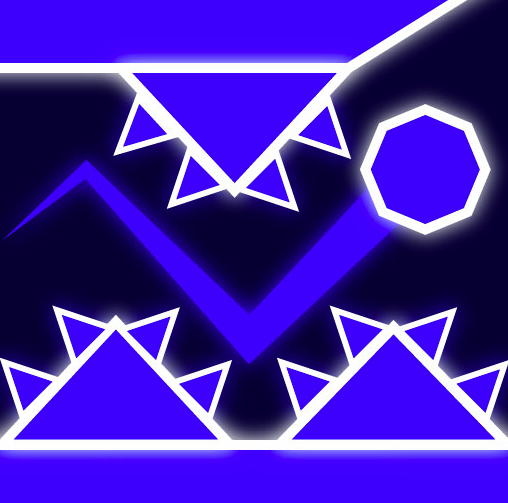
Color Wave
Fish Quest

Farting Flight
Tap Brawl
Drift Rush

Long Leg Master
Space Dash

Rooster Road
Arcade Glide
Fortress Clash
Critter Neon Wave Challenge
Track Dash
Color Surfer

Cheat or Repeat

Sausage Battle

Hyper Wave Trial

Ship Smasher
Sky Dart

Retro Rush

Lab Havoc
Superwave Test is a precision-based wave control game where movement is built entirely around rhythm, timing, and spatial awareness. Instead of traditional platform mechanics, you control a zigzag wave that reacts instantly to your input.
Unlike many geometry-style wave games that rely heavily on memorization, Superwave Test focuses more on real-time rhythm consistency and adaptability, making every run feel dynamic rather than scripted.
Objective: Survive as long as possible through narrow geometric paths
Gameplay loop: Hold to rise → release to fall → maintain rhythm → avoid walls
Controls: Hold click/space to move up and release to descend
The entire game is built on one principle: your rhythm is your survival line.
Stop thinking in jumps — think in rhythm
Never hold randomly in panic
Look ahead, not at your wave
Use micro-taps instead of long holds in tight corridors
Train consistency, not speed
The Superwave Test feels extremely minimal—but that’s what makes it difficult. There’s no distraction: just your control rhythm versus narrowing geometric space.
From actual gameplay experience:
Common real player mistakes: